Pass it on
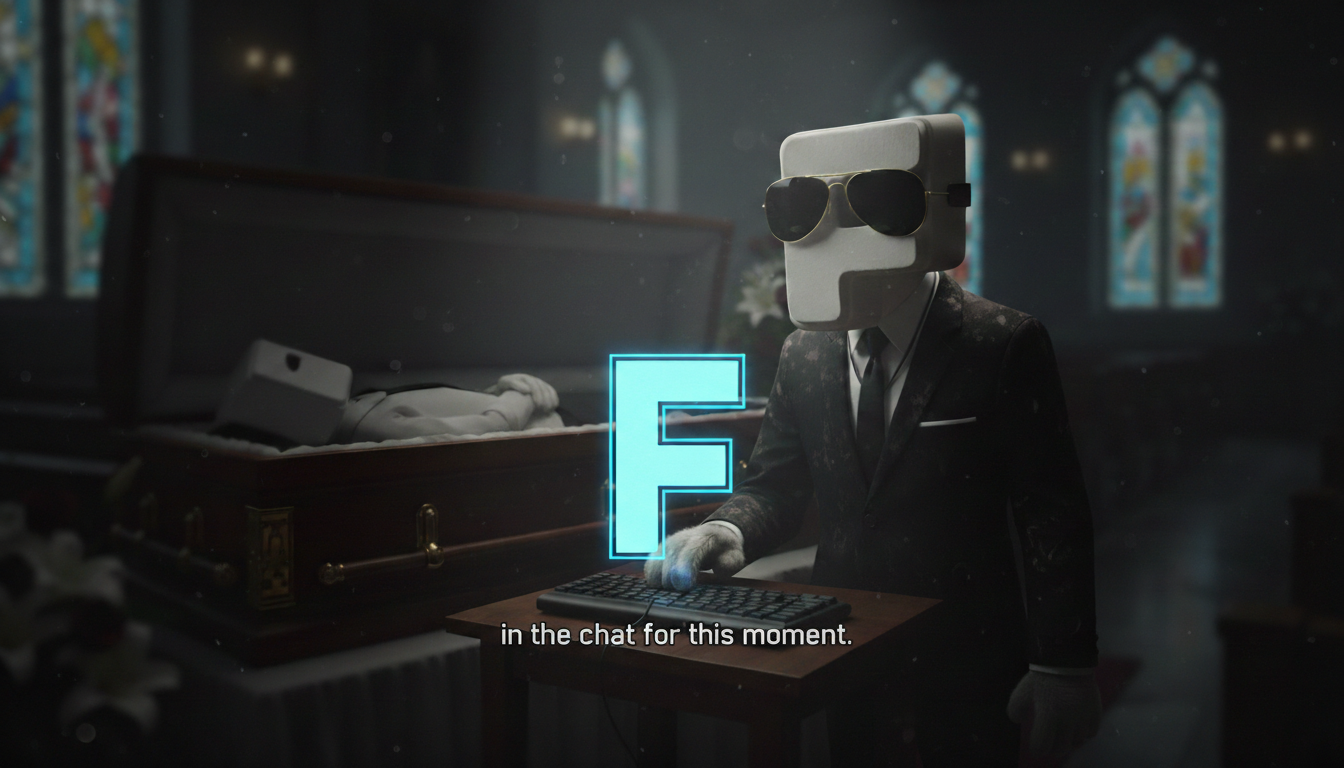
Journalism died this week at the age of however old you think it was. The cause was listed as "complications from metrics-driven editorial strategy," though those who knew it well suspect the underlying condition was a decades-long refusal to distinguish between information and entertainment while insisting both deserved a Pulitzer.
The Patient’s History
For most of its life, journalism understood its job. The assignment was not glamorous. It was not lucrative. It was not the kind of work that got you invited to parties where people knew your name without checking your nametag. The assignment was to find out what happened and tell people, accurately, in a way they could verify if they wanted to. That was it. That was the whole job description. Everything else; the prestige, the awards, the occasional invitation to speak at a university commencement; was decoration.
The trouble started, as it usually does, with money. Newspapers had always been supported by a combination of subscriptions and advertising. But the internet broke the subscription model; why pay for news when it was available for free?; and advertising money followed the audience online, where it discovered something unsettling. The most lucrative content was not the most accurate. It was the most engaging. And engagement, it turned out, was optimized by outrage, not information.
The Metrics Infection
Once newsrooms installed real-time traffic dashboards, the incentives realigned themselves with frightening speed. An article that took six months to report might get as many clicks as one that took six minutes to write, if the six-minute article had a better headline. The six-month article cost a hundred times more to produce and generated the same revenue. The math was not complicated. It was just devastating.
Newsrooms began cutting investigative teams and hiring "audience engagement" specialists. Editors who had spent decades learning to distinguish a reliable source from an unreliable one were replaced by editors who had spent years learning to distinguish a high-performing headline from a low-performing one. The skill sets were not just different. They were opposed. One was trained to tell you what was true. The other was trained to tell you what you would click. And what you would click, it turned out, was rarely what was true.
The information economy does not reward accuracy. It rewards attention. And attention is not a function of truth. It is a function of emotional intensity, tribal affiliation, and the dopamine hit of having your existing beliefs confirmed by someone who sounds like they know what they are talking about.
Surviving Relatives
It is survived by several hundred podcasters who call themselves journalists because they own microphones, a cable news industry that has not noticed the passing because it has been clinically dead for years, and approximately twelve local newspaper reporters who are too busy covering city council meetings to attend the funeral. These twelve are the remnant. They still do the work. They still show up. They still verify before publishing. They still earn less than a mid-level marketing coordinator at a company that sells desk chairs.
The obituary is not an ending. It is a diagnosis. The patient can be revived; but not by the same industry that killed it. The revival, if it comes, will come from the edges: from small publications that refuse to install traffic dashboards, from reporters who treat their work as a vocation rather than a content pipeline, from audiences who learn to pay for information the way they pay for food; not because it is entertaining, but because they will get sick without it. Journalism is not dead. It is in a coma. And the machines keeping it alive are the same ones that put it there.